


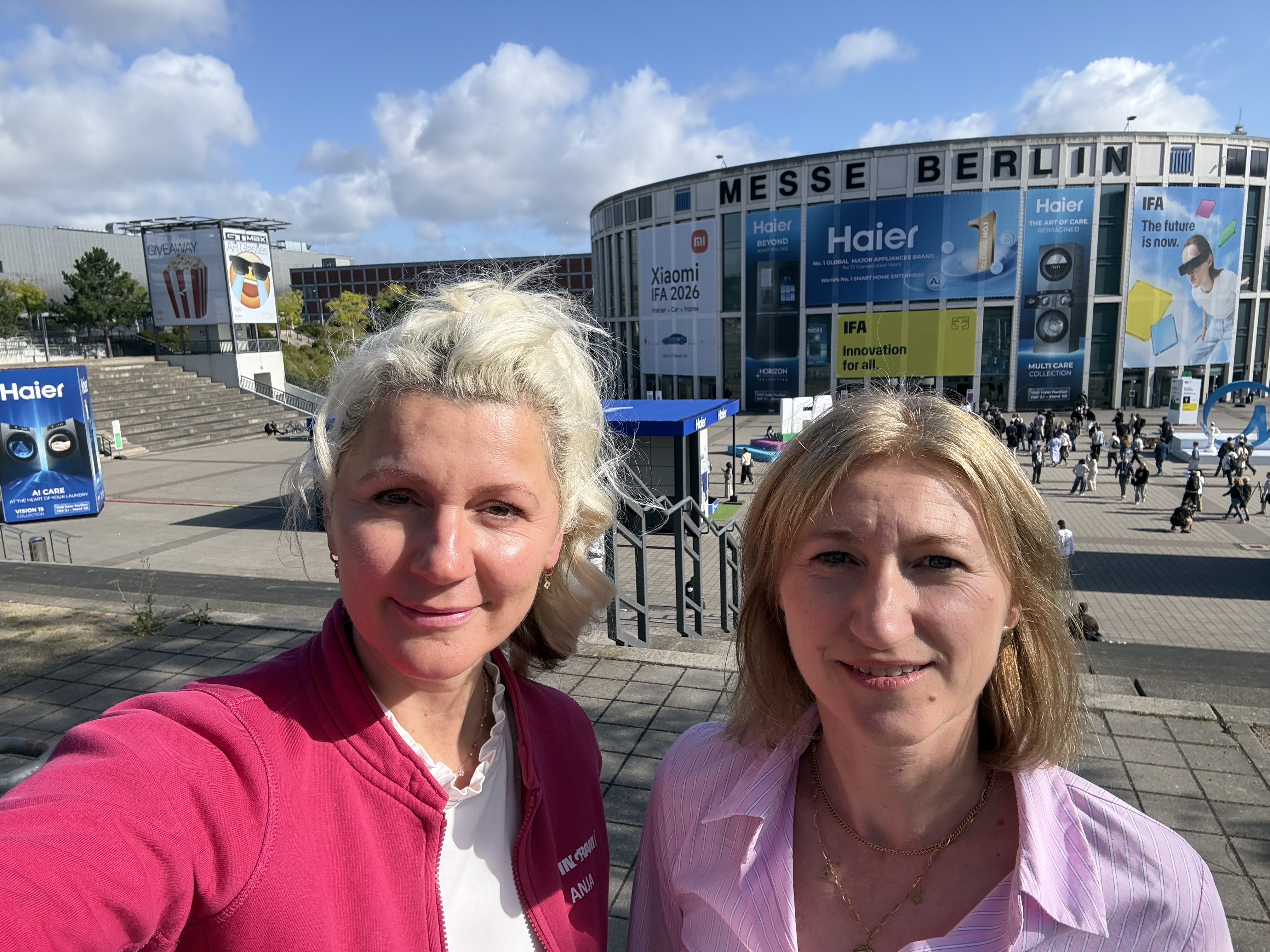
As the consumer electronics industry gathered at IFA Berlin 2026, conversations extended well beyond new products and technology launches. Discussions across the event highlighted a growing shift in how manufacturers are approaching product lifecycle management, sustainability, and after-sales services.
While AI-powered devices, smart home ecosystems, and automated cleaning technologies dominated the exhibition halls, four broader business trends emerged as significant priorities for OEMs and retailers.
Growing Demand for European and Global Lifecycle Partners
One of the clearest messages from discussions with manufacturers was the increasing need for scalable service partners capable of operating across multiple markets.
Many organisations have established returns, repair, and refurbishment programmes, but these are often managed through fragmented local solutions. As product sales continue to grow, companies are beginning to recognise that existing infrastructures may struggle to cope with increasing volumes.
As a result, manufacturers are actively exploring partnerships that can provide consistent, pan-European and global capabilities across repair, returns management, refurbishment, and recycling. This represents a significant opportunity for providers able to deliver standardised services at scale while maintaining local expertise.
Recommerce Expands Beyond Mobile Devices
Recommerce has long been associated with smartphones, tablets, and IT equipment. However, IFA 2026 demonstrated that the opportunity is rapidly expanding into new categories.
Home appliances, floor care devices, beauty technologies, gaming consoles, and smart home products are increasingly being viewed as candidates for repair, refurbishment, and second-life programmes. With consumers becoming more conscious of value and sustainability, manufacturers are beginning to explore how these categories can participate in the circular economy in the same way mobile devices have over the past decade.
This evolution creates new opportunities to recover value from returned products while extending product lifecycles and reducing waste.
Right-to-Repair Regulations Are Driving Strategic Change
Regulation was another recurring topic throughout the event.
The introduction and expansion of right-to-repair legislation across Europe is encouraging OEMs to reassess their approach to returns and repair operations. Manufacturers are increasingly evaluating whether their existing processes are fit for purpose in a future where products are expected to remain serviceable for longer periods and spare parts availability becomes more important.
These regulatory developments are moving repair from a purely operational activity to a strategic business consideration, with many brands seeking ways to improve repair efficiency, reduce turnaround times, and support compliance requirements.
Sustainability Is Shifting Operations Closer to Customers
Sustainability remains a major driver of decision-making across the industry, but conversations at IFA suggested the focus is becoming increasingly practical and measurable.
Rather than concentrating solely on environmental commitments, manufacturers are looking at operational changes that can directly reduce carbon emissions. One area attracting particular attention is the localisation of repair and refurbishment services.
Repairing products closer to where they are sold and used can significantly reduce transportation requirements while shortening turnaround times and improving customer experience. For many companies, moving away from repair models that rely heavily on overseas processing is becoming an important part of both sustainability and customer service strategies.
Looking Ahead
IFA Berlin 2026 reinforced that the conversation around consumer electronics is no longer focused solely on product innovation. As regulatory requirements evolve and sustainability expectations increase, manufacturers are placing greater emphasis on what happens after the sale.
The ability to repair, refurbish, return, and recycle products efficiently across multiple markets is becoming a strategic differentiator. For organisations investing in scalable lifecycle services and circular economy solutions, the discussions in Berlin suggest that these capabilities will only become more important in the years ahead.
If you’re looking for a partner to scale a returns management program both in-country and globally, reach out to start the conversation.
Have a question or ready to start
your lifecycle journey?
Reach out to us here.


Have a question or ready to start your lifecycle journey? Reach out to us here.

As the Business Development Manager at Ingram Micro Lifecycle and an active member of the "Circularity e.V." association, Anja brings over two decades of experience in management and business development. For the past 20 years, Anja's focus has been on driving business development and management initiatives at Ingram Micro Lifecycle with a dedicated emphasis on circular economy practices. Committed to advancing sustainability and innovation in the business landscape, Anja thrives on contributing to the circularity movement and fostering positive change within the industry.