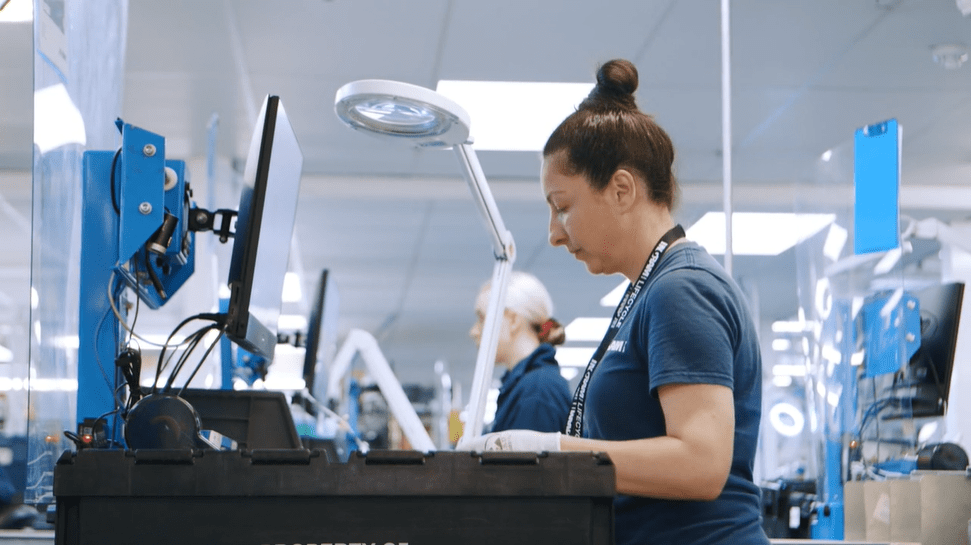
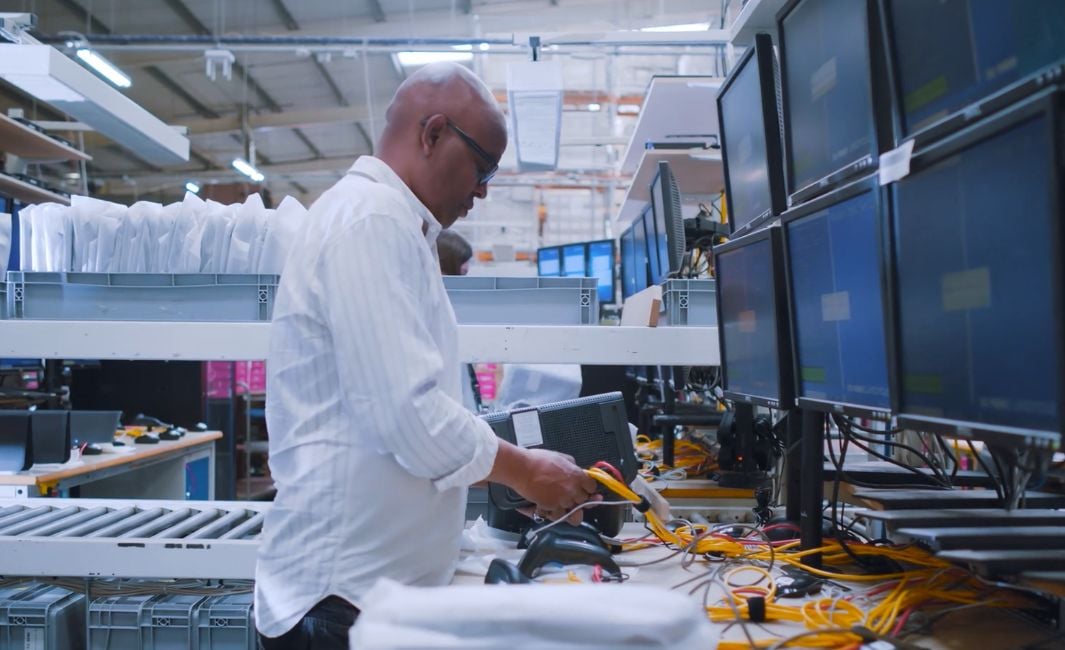

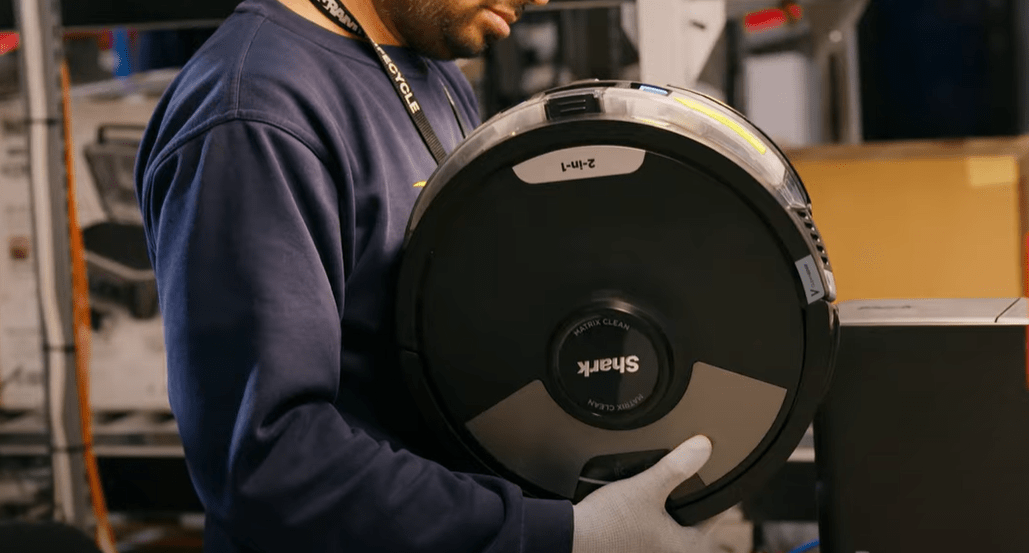
Small Domestic Appliances (SDAs), from coffee machines and kettles to vacuum cleaners and air fryers, sit at the heart of modern households. Smart and connected devices are on the rise, lauded for their time-saving and convenience. But the category also sits at the center of one of the most complex and costly after-sales challenges for manufacturers and retailers: returns.
SDA return rates are consistently higher than many other consumer categories. The UK Government statistics on WEEE show that small household appliances represent one of the largest volumes of electrical items on the market and collected as waste. Meanwhile, a report by the National Retail Federation found that for every $1 billion in sales, the average retailer incurs $145 million in returns.
For SDA brands, the stakes are high. A poorly handled return doesn’t just cost money. It can damage customer loyalty, brand reputation, and sustainability performance. That’s why choosing the right reverse logistics partner is no longer a procurement decision; it’s a strategic one.
As a global returns specialist supporting some of the world’s most recognizable appliance brands, the team at Ingram Micro Lifecycle has distilled the essential criteria into a practical checklist. Use it to evaluate your current partner or shortlist new ones, and ensure your SDA returns operation becomes a competitive advantage, not a cost center.
What to look for in your SDA returns partner
1. Do They Truly Understand SDAs?
Not all returns partners are created equal. Many claim expertise in “electronics” but SDA is a category with its own quirks, challenges, and technical demands.
Proven SDA Experience
Look for evidence that a partner has worked with SDA brands at scale. Ask for:
- Case studies specifically involving coffee machines, toasters, vacuum cleaners, or similar appliances
- References from brands with comparable product complexity
- Demonstrated experience handling both warranty and non-warranty returns
SDA is not the same as consumer electronics. The fault profiles are more varied, the units are bulkier, and diagnostics require a different skill set. There’s typically a bigger footprint too, so you need to know they have the space to handle your returns efficiently and securely.
Category Specific Knowledge
A credible SDA partner should understand:
- Common fault types (heating elements, power failures, mechanical issues, user error)
- Warranty expectations and regulatory requirements
- Safety considerations for appliances involving heat, pressure, or water
If a partner treats SDA like smartphones or laptops, that’s a red flag. You need a specialist, not a generalist.
2. Can They Handle Volume and Complexity?
Returns are unpredictable. Seasonal spikes, promotional surges, and product launches can all create sudden waves of inbound units.
Capacity and Scalability
Your partner should be able to flex capacity without compromising service levels. Key questions:
- Can they absorb post-Black Friday or holiday peaks?
- Do they offer scalable labour and space models?
- Can they support recalls or rapid product swaps?
A global footprint is a major advantage here. This enables distributed processing, faster routing, and resilience against local disruptions.
Depot Services and Processing Speed
Speed matters. Customers expect rapid resolutions, and slow processing increases storage and handling costs.
Evaluate:
- Whether they operate dedicated SDA depots
- Average turnaround times from receipt to resolution
- Ability to prioritise urgent or high-value units
Automation and Workflow Tools
Modern reverse logistics relies on technology to reduce errors, increase throughput, and improve traceability.
Look for:
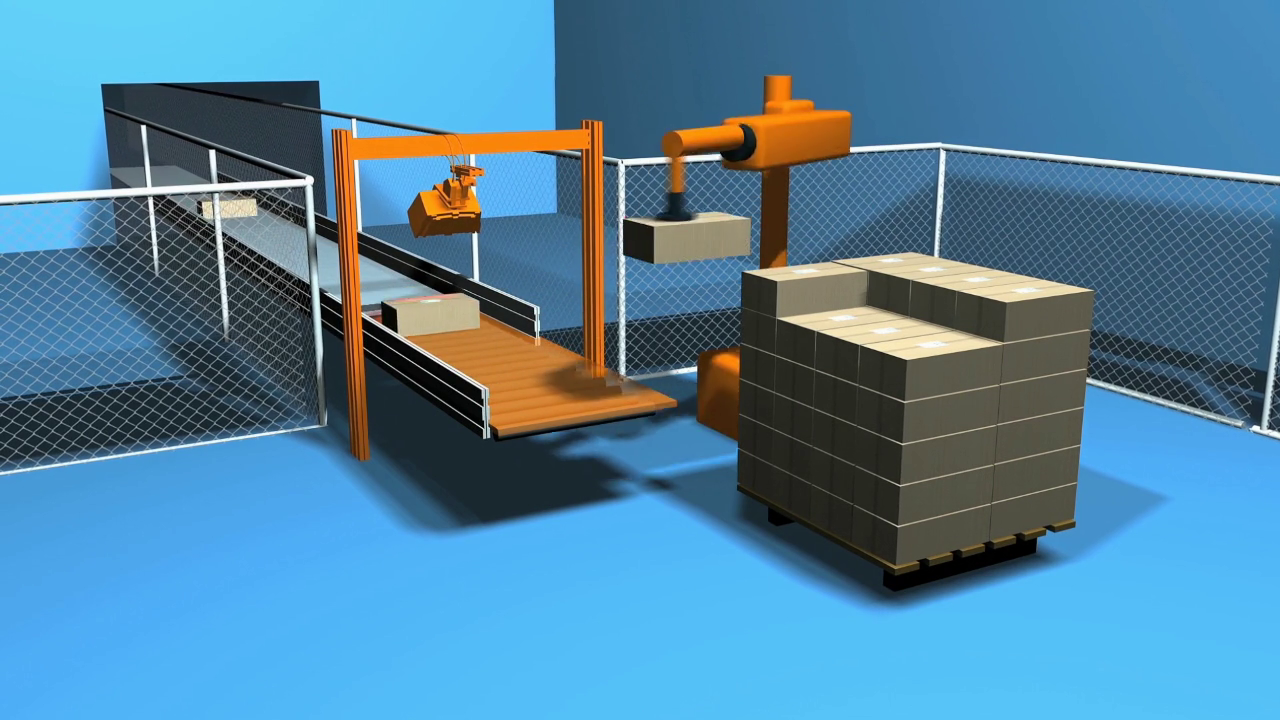
- Barcode scanning and automated routing
- Workflow engines that triage units (repair vs refurbish vs waste)
- Integration with your systems for real-time visibility
If your partner still relies heavily on manual processes, inefficiencies will show up in your costs and customer satisfaction scores.
3. Fraud Prevention
Receiving a returns package doesn’t necessarily mean that the correct product is contained inside.
Product Validation
Does the partner
- Conduct validation checks to ascertain what’s received is what’s expected
- Issue evidence for potential fraud cases
- Authenticate warranties
… before the refund to the customer is triggered to limit payouts on fake returns and false claims.
4. Diagnostic, Repair, and Refurbishment Expertise
This is where SDA returns become truly complex and where the right partner can save you millions.
Technical Diagnostic Capability
A strong partner should:
- Use standardized diagnostic protocols
- Accurately distinguish “no fault found” (NFF) from genuine defects
- Provide detailed fault coding for analysis
NFF rates in SDA can be surprisingly high, often due to user error. Reducing unnecessary replacements protects your margins.
Repair and Refurbishment Services
The ability to reclaim value is essential. Ask whether your partner can:
- Repair or rework appliances
- Refurbish units for resale, outlet channels, or warranty swaps
- Quality check units to near-new condition
Rekitting and Rebox
The partner should supply repaired and refurbished goods in a resaleable condition, ready to re-enter the market, to include:
- Required accessories and peripherals
- Cables that are essential to the functioning and performance of the product
- Sustainable packaging suitable to protect the product and ensure safe transit
Quality Assurance and Testing
Safety is non-negotiable. Ensure your partner has:
- Documented QA standards
- Test-and-record processes for heating and power-based appliances
- Compliance with relevant safety regulations
This is where your partner becomes more than a processor; they become a guardian of your brand.
5. Customer Experience: Do They Protect Your Brand?
Returns are often the most emotionally charged part of the customer journey. A seamless experience can turn frustration into loyalty.
End Customer Communication
Your partner should offer:
- Branded or white-label communications
- Real-time status updates
- Clear SLAs for response and resolution
Customers should feel like they’re dealing with you, not a third party.
Resolution Options and Flexibility
A modern SDA returns partner must support:
- Repair
- Replacement
- Refund
- Credit
- Advanced exchanges
And all of this should integrate with your CRM, ERP, or after-sales systems.
NPS and Satisfaction Metrics
If they don’t measure customer satisfaction, they can’t improve it. Ask for:
- NPS tracking
- Benchmark data
- Examples of how they’ve improved customer outcomes for other brands
6. Data, Insights, and Root Cause Analysis
This is where the best partners differentiate themselves.
Data Capture and Reporting
Your partner should provide:
- Detailed fault codes
- Return reasons
- Trend analysis
- Dashboards and automated reporting
Root Cause Analysis
A strong partner doesn’t just process returns, they help you reduce them.
Look for:
- Insights into recurring design or manufacturing issues
- Packaging or instruction-related feedback
- Proactive recommendations to reduce future returns
Systems Integration
Data should flow seamlessly into your ecosystem. Ensure:
- API or EDI integration is available
- Data exports are automated
- Reporting formats are useful and customizable
This transforms your returns operation into a continuous improvement engine.
7. Sustainability, Compliance, and Brand Risk
SDA brands face increasing pressure to demonstrate circularity and responsible waste management.
Sustainable Disposal and Circularity
Your partner should support:
- Refurbishment and reuse
- Responsible recycling
- ESG reporting
- Support for circular economy initiatives
Compliance and Certifications
Check for:
- Environmental certifications
- Safety and quality accreditations
- Compliance with regional e-waste regulations
Brand and Risk Management
Ask how they:
- Prevent unsafe units from re-entering the market
- Manage recalls
- Handle hazardous components
Your brand reputation depends on their diligence.
8. Commercials, Contracts, and Support
Ensure the partnership is commercially sound.
Pricing Models and Transparency
Look for:
- Clear per-unit or per-service pricing
- No hidden fees
- Transparent storage and handling charges
Service Level Agreements (SLAs)
SLAs should cover:
- Turnaround times
- Quality metrics
- Communication standards
- Consequences for missed SLAs
Onboarding and Ongoing Support
A strong partner will offer:
- Structured onboarding
- Integration support
- A dedicated account manager
- Regular performance reviews
9. New Product Launches and Repairability
When introducing a new product to the market, your repair partner should be able to analyze the product design from a repairability perspective.
Improving Future Production
Can the partner:
- Easily take the new product apart
- Provide feedback on the repairability of the parts
- Analyse immediate product issues or faults
- Recommend strategic changes to the manufacturing process
An initial repair report on a new product being introduced to the market will support cost savings by influencing the product design and production process.
10. Parts Harvesting
Efficiently recovering parts from a used or BER product can boost sustainability and save material costs when the donor part is used to repair a second product.
High, Efficient Parts Yield Recovery
Check the partner has:
- Expertise and capability to strip down products with high yield of reusable parts
- Storage space and inventory management for the parts
- Dedicated cleaning spaces and equipment
SDA Returns Are Not “Just Another Returns Flow”
Small Domestic Appliance returns need to be processed as their own distinct category. One approach does not fit all. A poorly managed returns flow impacts customer loyalty, warranty cost, brand perception, and sustainability performance.
Using the checklist above, you can evaluate whether your current or prospective SDA returns partner is truly equipped to protect your margins, your customers, and your brand.
Ingram Micro Lifecycle has over 30 years of experience in reverse logistics for consumer electronics and tailors processes to each customer's use case. We become experts on your product to ensure cost recovery, boosted sustainability, and maximum yields.
If you’d like to explore what best-in-class SDA reverse logistics looks like, get in touch with our team today.
Related articles:
- Case study: shaping returns from the end of a product journey into an innovative beginning
- Optimizing returns management for a boosted NPS
- Understanding the environmental impacts of e-waste
- Tackling fraudulent consumer electronic returns: part 1
- Opportunities in SDA product returns to boost NPS
- Circular economy in the Small Domestic Appliance market: assessing maturity and driving progress
Have a question or ready to start
your lifecycle journey?
Reach out to us here.